Opioid Education Hub for Nurses

Opioid Continuing Education for Nurse Practitioners

Opioid Education for NursesThis Opioid Education Hub is dedicated to the educational needs of nursing health care providers and their patients. Nurses and nurse practitioners are important stakeholders in responsible prescribing of opioids and compassionately meeting the needs of patients in pain. Key impact areas include taking a detailed history and assessing risk associated with family history of substance use, psychiatry illness, and history of sexual trauma or abuse. For individuals prescribed opioids, follow-up, monitoring, and referral to a pain specialist or for further follow-up if there is reason to believe an opioid use disorder has developed is essential. As with any chronic disease, evidence-based pain management must be central to nursing practice. Finally, as frontline health care provider, patient education about their medicine, safe disposal of opioids, and protections against diversion are best practices for patient care.

A Way Forward: How Naloxone Saves Lives from Opioid Overdose


Increasing access to naloxone is essential to reducing overdose mortality. Strategies for increasing access must be thoughtfully developed and deployed to ensure that naloxone is available to any at-risk individual—whether that be an individual with chronic pain or someone with a substance use disorder—without the burden of stigma or judgement. CMEO convened an expert panel led by Dr. Mark Gold to discuss barriers and opportunities for distribution of naloxone to those at risk for overdose in the community. This white paper, A Way Forward: How Naloxone Saves Lives from Opioid Overdose reviews the data used by the panelists to establish their positions and recommendations for the way forward.

Understanding Addiction

The Addiction Policy Forum is a nationwide nonprofit organization dedicated to eliminating addiction as a major health problem. Our national headquarters are located in Washington, DC with resources and services in every state.

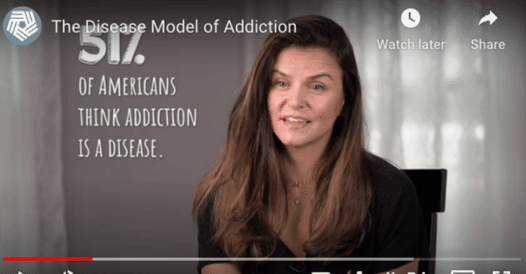
The Disease Model of Addiction

YouTube video

Naloxone Toolkit

Naloxone Administration

YouTube video

Naloxone Facts

YouTube video

Addiction & the Brain

YouTube video

Facts About Drugs of Abuse

Blog

Brainstorming Opioid Addiction through Merged Perspectives: Learnings from Roundtable Discussions

Read Now

According to the National Institute on Drug Abuse, 115 people die each day in the United States due to an opioid overdose. To better understand the nation’s current epidemic, CME Outfitters recently brought together the perspectives of those most impacted by opioids in hopes of creating more effective strategies to avoid addiction in the coming years. These roundtable discussions, hosted by CME Outfitters, first pulled the experiences of both patients and their loved ones who have been affected by opioid dependency. Read more about the the four key takeaways that we learned.

From Analytics to Understanding: A Look Into Our 3D Pain Animation’s Debut at CME Outfitters’ Opioid Epidemic Premiere Symposium

Read Now

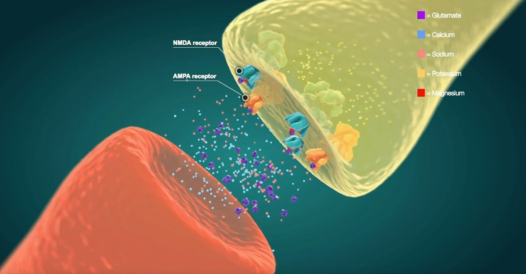
Family medicine providers are uniquely qualified to lead the charge for precise and responsible prescribing for acute and chronic pain. Family medicine is at the forefront of managing chronic illness, handling comorbidities, and coordinating care for their patients. A recent live meeting held at the Pennsylvania Academy of Family Physicians (PAFP) used an animated 3-D model that learners were able to move, rotate, and zoom as they explored acute and chronic pain pathways.