

Blog Category:

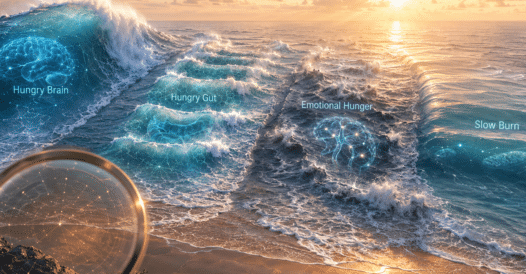
A Multi-Pathway Rationale for the Next Therapeutic Current

More than 40% of U.S. adults now live with obesity, and incretin-based therapies have transformed what treatment can achieve. Yet the same clinical experience that produced those gains has exposed their limits: response varies widely from patient to patient, persistence …

CIDP Masterclass: Early Diagnosis, Emerging Options, Better Outcomes

Chronic inflammatory demyelinating polyneuropathy (CIDP) presents ongoing diagnostic and therapeutic challenges due to its clinical heterogeneity, evolving pathophysiology, and inconsistent responses to standard treatment. Many health care professionals, particularly those in neurology-focused settings, require current and ongoing education on recognizing …

Time-Out! Case-Based Application of Precision Therapeutic Sequencing in High-Risk Chronic Lymphocytic Leukemia

Chronic lymphocytic leukemia (CLL) has undergone a remarkable therapeutic transformation with the availability of highly effective targeted therapies. However, molecular testing and the integration of prognostic and predictive biomarkers into treatment decisions remain inconsistent, particularly outside tertiary care centers. Because …

Case Closed? Diagnosing Idiopathic Hypersomnia Beyond the Usual Suspects

Idiopathic hypersomnia (IH) is a life-disrupting condition characterized by excessive daytime sleepiness (EDS) that makes waking up a daily struggle, limits productivity, and erodes overall quality of life. For many patients with IH, the journey to diagnosis is long and …

Cleared for Takeoff: An All-Hands-on Deck Approach to Building Confidence and Competence in S1P Receptor Modulator Initiation for Ulcerative Colitis

For people living with ulcerative colitis (UC), cycles of remission and relapse can disrupt daily life and complicate long-term management. Sphingosine-1-phosphate receptor modulators (S1Prms) are a new class of targeted oral therapies with the potential to reduce colonic inflammation and …

Complicated UTI in Real Time: An Interactive Care Pathway Simulation

Complicated urinary tract infections (cUTIs) represent one of the most challenging and rapidly evolving areas of infectious disease management. Often more severe and harder to treat than standard UTIs, cUTIs are associated with underlying structural or functional abnormalities of the …

Fibrosis in IBD — Pathogenesis, Risk Stratification, and Objective Monitoring

Fibrosis remains one of the greatest unmet needs in inflammatory bowel disease (IBD), contributing to irreversible structural bowel damage, complications, and long-term morbidity despite advances in anti-inflammatory therapies. Many gastroenterologists and multidisciplinary gastrointestinal (GI) care teams lack confidence in recognizing …

Strategies to Close Gaps in Herpes Zoster Vaccination

Despite the availability of a safe and effective recombinant zoster vaccine (RZV) for herpes zoster (HZ), vaccination uptake and series completion remain insufficient, leaving many at-risk individuals—particularly older adults, immunocompromised patients, and underserved populations—vulnerable to preventable disease and its impact …

A CaseWise™ Webcast – CIDP in Focus: Advancing Precision Across the Patient Journey from Early Recognition to Downstream Management

 What if the neuropathy in front of you isn’t what it seems? Chronic inflammatory demyelinating polyneuropathy (CIDP) is the most common immune-mediated peripheral neuropathy, yet it remains widely underrecognized. Because its symptoms mimic other neuropathies, CIDP is too often misdiagnosed …