
Blog Category: Certified Activity

Unraveling the Complexities of cUTI Care: Modernizing cUTI Care with the 2025 IDSA and EAU Updates

Complicated urinary tract infections (cUTIs) represent an important and growing challenge in clinical practice, affecting individual patients’ health and quality of life while exerting a substantial burden on the healthcare system. Despite being common, these infections are underrecognized. The July …
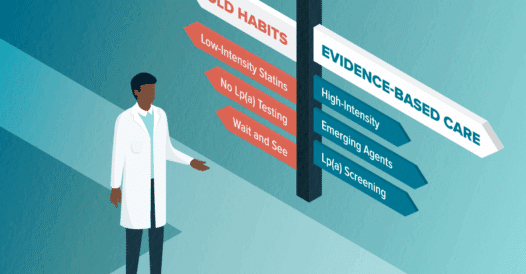

ASCVD Risk Decision Aid to Inform Lipid-Lowering Therapy

New guidance from the National Lipid Association emphasizes the need for simpler risk stratification and establishing LDL-C goals. Clinicians have had mixed guidance on LDL-C management and desirable lipid goals until now.   We are in a new, more metabolically …

From Pain to Progress: Guiding Providers Through Opioid Stewardship

Chronic, subacute, and acute pain remain among the most common and complex challenges encountered in clinical practice. Inadequate pain management contributes to diminished quality of life, impaired function, and increased healthcare utilization. At the same time, the ongoing opioid crisis …

Cracking the Code in PBC: Interactive Escape Room for Specialists

Embark on a one-of-a-kind learning adventure designed to sharpen your diagnostic skills and treatment prowess for primary biliary cholangitis (PBC). In this immersive virtual escape room, you’ll tackle patient case challenges, uncover hidden clues, and piece together the key insights …

From Blueprint to Bedside: Implementing Opioid REMS for Patient-Centered Pain Management

Chronic, subacute, and acute pain remain among the most common and complex challenges encountered in clinical practice. Inadequate pain management contributes to diminished quality of life, impaired function, and increased healthcare utilization. At the same time, the ongoing opioid crisis …

The Opioid REMS Advantage: Supporting Providers, Protecting Patients

Chronic, subacute, and acute pain remain among the most common and complex challenges encountered in clinical practice. Inadequate pain management contributes to diminished quality of life, impaired function, and increased healthcare utilization. At the same time, the ongoing opioid crisis …

Nourishing Communities Part 3: Screening and Intervention to Improve Nutrition Equity in Underserved Communities

Food insecurity and other negative social drivers of health (SDOH) impact health outcomes in underserved communities. Screening for food insecurity using validated tools has proven to be an essential part of healthcare interventions to connect patients to critical resources, such …

Nourishing Communities Part 2: Tackling Health Disparities Through Accessible Food Resources

Food insecurity and nutritional inequity disproportionately impact underserved communities. These disparities are directly linked to higher rates of chronic diseases, such as obesity, diabetes, and cardiovascular diseases. Research shows that access to healthy food is limited in food deserts, exacerbating …

Nourishing Communities Part 1: What is Food is Medicine? The Latest on National Initiatives

Inequitable distribution of and access to healthy food exacerbates chronic conditions such as obesity, diabetes, and cardiovascular diseases for low-income and non-White communities. Research shows that the absence of affordable, healthy food options, combined with social drivers of health like …