
Comparison of Prophylaxis Options in Hemophilia (2025)
…




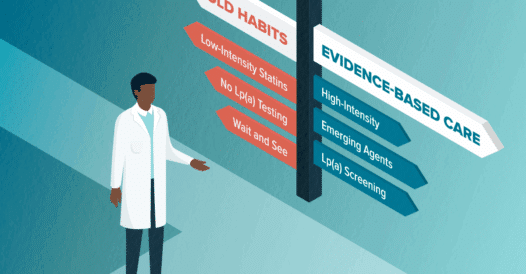
New guidance from the National Lipid Association emphasizes the need for simpler risk stratification and establishing LDL-C goals. Clinicians have had mixed guidance on LDL-C management and desirable lipid goals until now. We are in a new, more metabolically …

Chronic, subacute, and acute pain remain among the most common and complex challenges encountered in clinical practice. Inadequate pain management contributes to diminished quality of life, impaired function, and increased healthcare utilization. At the same time, the ongoing opioid crisis …

Embark on a one-of-a-kind learning adventure designed to sharpen your diagnostic skills and treatment prowess for primary biliary cholangitis (PBC). In this immersive virtual escape room, you’ll tackle patient case challenges, uncover hidden clues, and piece together the key insights …

Mycophenolate-containing medications are potent immunosuppressants used to prevent organ transplant rejection and to treat (off label) some autoimmune disorders. Despite the well-documented fetal risks associated with mycophenolate, as outlined in the U.S. Food and Drug Administration’s (FDA’s) Mycophenolate Risk Evaluation …

In this CME Outfitters Snack on metabolic dysfunction-associated steatotic liver disease (MASLD) / metabolic-associated steatohepatitis (MASH), expert faculty turn attention to treatment planning for Mr. B, who has been diagnosed with MASH. Discussion centers on evidence-based lifestyle interventions, including nutrition …
Chronic, subacute, and acute pain remain among the most common and complex challenges encountered in clinical practice. Inadequate pain management contributes to diminished quality of life, impaired function, and increased healthcare utilization. At the same time, the ongoing opioid crisis …

Chronic, subacute, and acute pain remain among the most common and complex challenges encountered in clinical practice. Inadequate pain management contributes to diminished quality of life, impaired function, and increased healthcare utilization. At the same time, the ongoing opioid crisis …

Individuals from underserved communities often face roadblocks to clinical trial participation, including geographic limitations, socioeconomic barriers, restrictive eligibility criteria, and systemic inequities. These challenges are compounded by unconscious bias among health care professionals (HCPs), which can shut down vital conversations …